
IGTAP Upgrade Priority: What to Buy First
Buy clones and base reward first, then movement abilities, then multipliers. Here is the IGTAP buying order stage by stage.

The short version: buy clone count and base reward early, unlock movement abilities in order, then move your money into multipliers. Clone upgrades decide what you earn while idle. Movement abilities decide which courses you can enter at all.
What each upgrade actually does
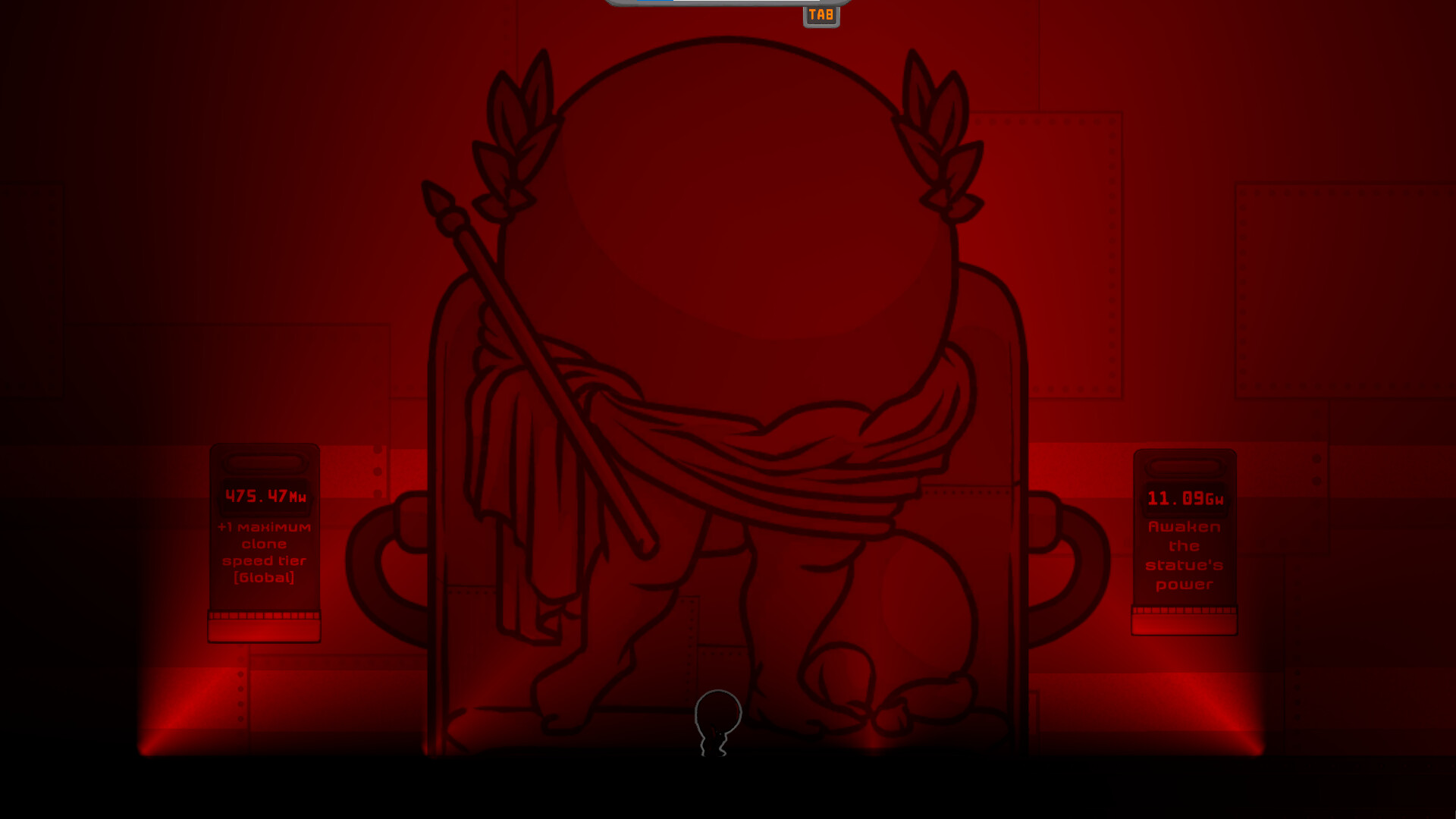
Every course has its own upgrade wall. The labels are literal, and the official screenshots show them clearly.
| Upgrade | Effect |
|---|---|
N Clones [+1 per use] | Adds one clone running your best route |
Nx base reward [+1x per use] | Raises the payout for your own runs |
+0 clone reward multiplier [+0.1 per use] | Raises what each clone contributes |
+0% chance for a clone to increase it's speed tier [+5% per use] | Chance-based clone speed upgrade |
+0% chance for a clone to increase it's size tier [+5% per use] | Chance-based clone size upgrade |
+1 to the Maximum possible clone size tier [global] | Raises the ceiling for clone size |
Boost all previous courses | Multiplies the income of every earlier course |
Outside the course walls there are larger systems: a literal upgrade tree, a prestige layer that runs on atoms, refresh orbs that restore your jump and dash mid-air, and teleporters.
How the early buying order works
- First clone. Buy it the moment you can. Confirm that the clone counter rises from zero at the course start.
- Base reward. Buy one and re-run the course. The reward number should be higher than before.
- Wall jump. It opens the next area and shortens old routes. Most players reach this stage at around the 700-watt mark.
- Dash. This is the biggest single change to how the game feels, and it unlocks the dash jump.
- Double jump. Combined with dash, it makes almost every early shortcut reachable.
Skip clone speed and clone size during this stage. A 5% chance per purchase does very little when you own one or two clones.
Why a faster personal time beats another clone
The screen shows a multiplier such as 0.1x next to clone reward. That number means clones earn a small fraction of what your best run pays.
So the two upgrades solve different problems. Another clone helps while you are away. A faster best time raises what every clone earns, including the ones you already own.
One reviewer explained the intent bluntly: you are not meant to finish a lap and then wait, because clones pay much less than playing does. Later multipliers reward finishing courses by hand. Treat manual runs and idle income as one system, not two.
The mid-game switch
Once clone counts reach double digits, change what you buy.
Boost all previous coursesfirst. It multiplies the money you already invested in old courses.- Then clone reward multiplier. Each purchase adds
0.1, which matters much more across twenty clones than across two. - Then refresh orbs. Restoring jump and dash mid-air changes which routes exist. Players describe it as the moment the game starts playing like a precision platformer.
- Then atoms. Green clones generate a second currency that buys atoms, and atoms raise your caps and overall pace.
- Then the upgrade tree. It has its own nodes and finishes as a late achievement.
When to stop grinding a course
Use this check before you spend another hour on one route.
- Has your best time moved in your last three attempts? If not, stop.
- Is a global or multiplier upgrade affordable? Buy it instead.
- Have you searched the level for hidden pickups? They cost nothing and are often worth more than a full session of grinding.
- Do you own the movement ability for the next course? If not, that is the real blocker.
The endgame balance changed on September 22, 2026, when a hotfix made the late game faster. Advice written before that date about the endgame grind may no longer apply.
Sources: the official IGTAP screenshots and store description on Steam, the official achievement list, the September 22 hotfix notes and current Steam reviews.